
Guides & Articles
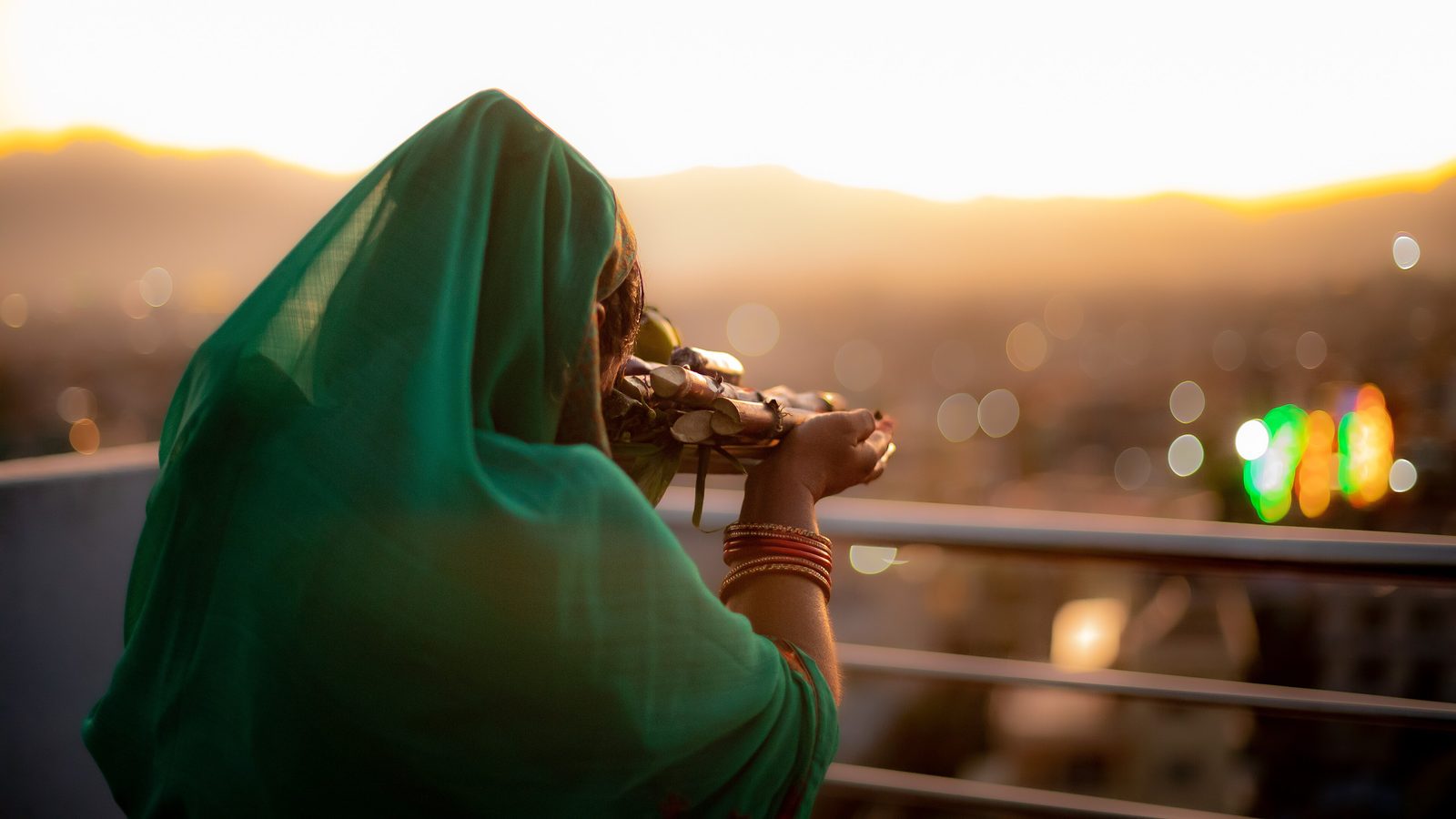
Chhath Parva: Nepal's Four-Day Worship of the Setting Sun
Chhath parva 2083 falls on Kartik 29 (15 November 2026). Learn what happens on each of the four days, how the 36-hour fast and the evening and morning arghya work, and where to see it in Nepal.
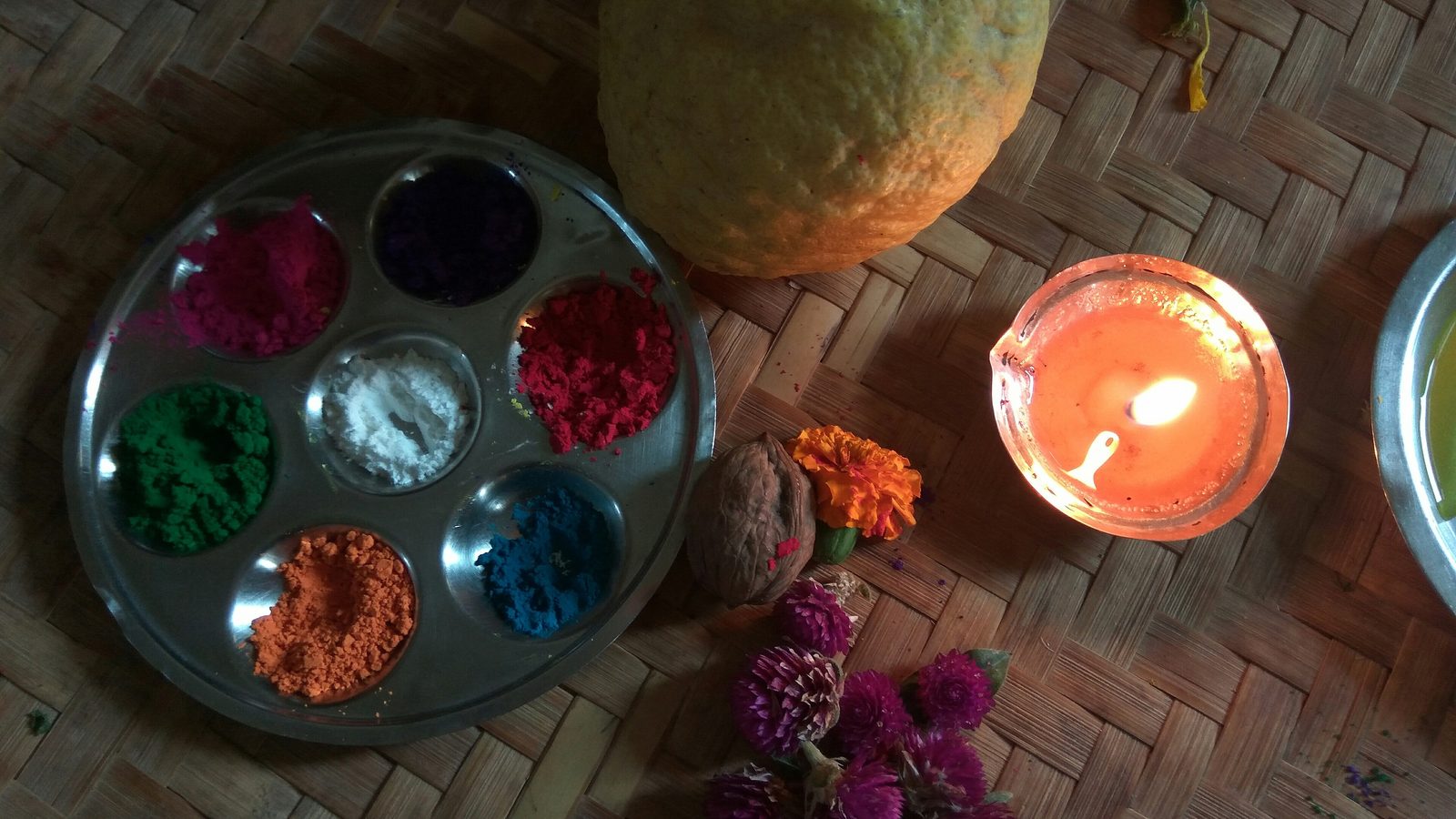
Tihar 2083 Dates: Laxmi Puja to Bhai Tika, the Full Schedule
Tihar 2083 falls in November 2026: Laxmi Puja on the 8th, Govardhan and Mha Puja on the 10th, Bhai Tika on the 11th. This page lists every date, the holidays and what each of the five days is for.
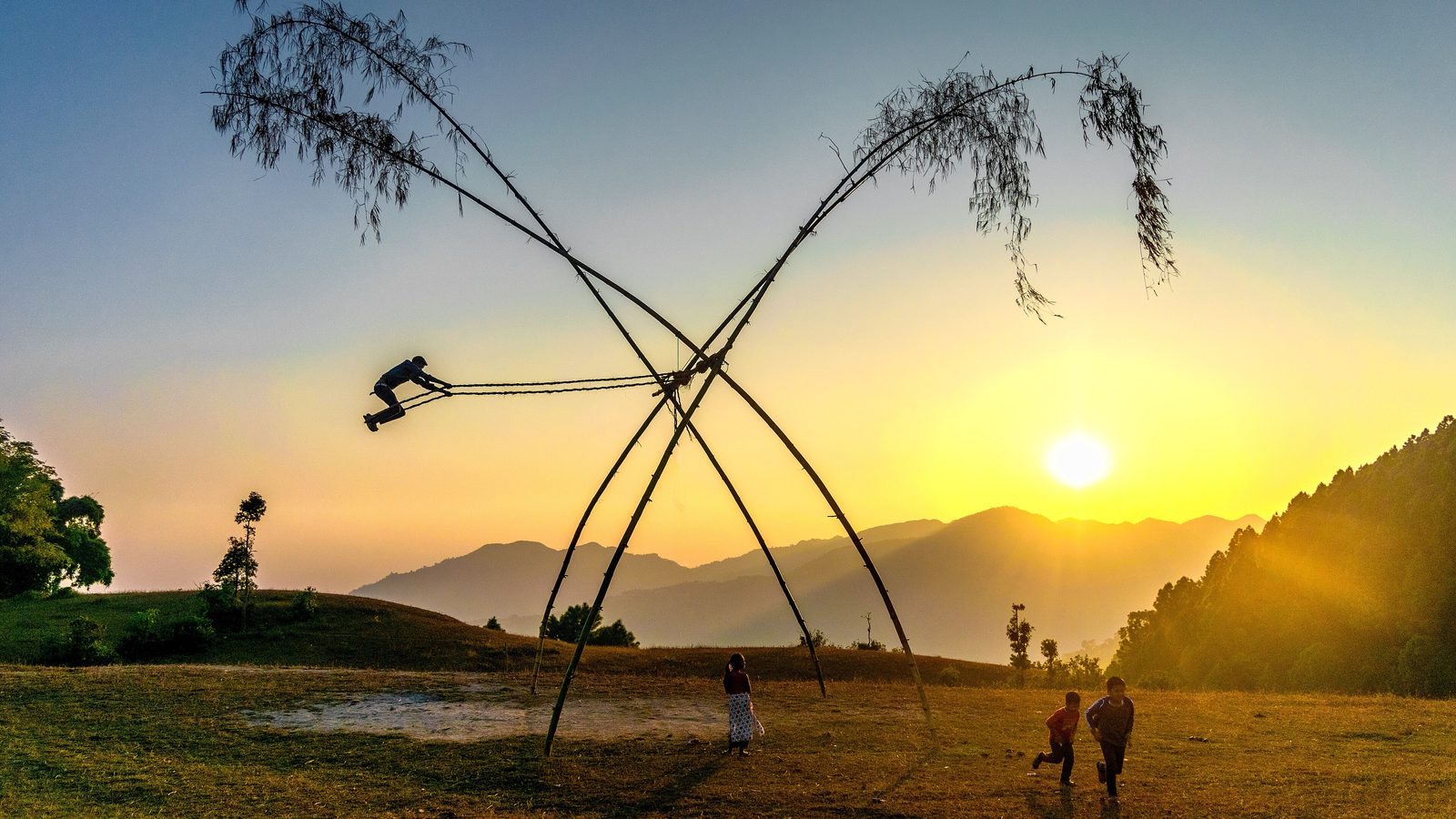
Dashain 2083 Dates: Ghatasthapana to Tika, Day by Day
Dashain 2083 begins with Ghatasthapana on October 11, 2026 and the tika day, Vijaya Dashami, is on October 21. See the date of each main day, what happens on it, and how to plan travel and holidays.
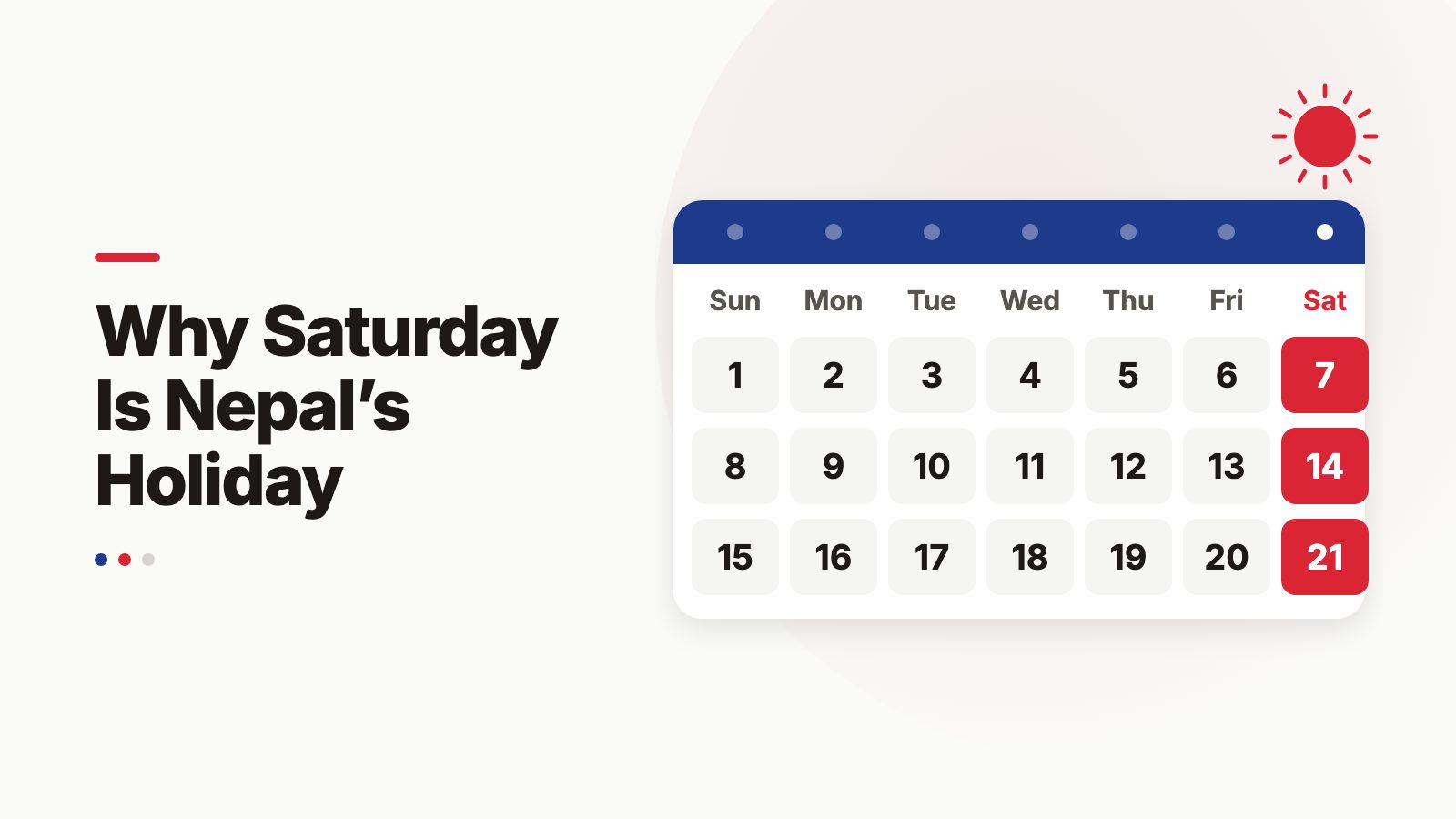
Saturday Holiday in Nepal: Why Nepal Rests on Saturday
Understand Nepal’s Saturday holiday, current office-week differences, bank-service checks and how to count working days without assuming every institution closes alike.
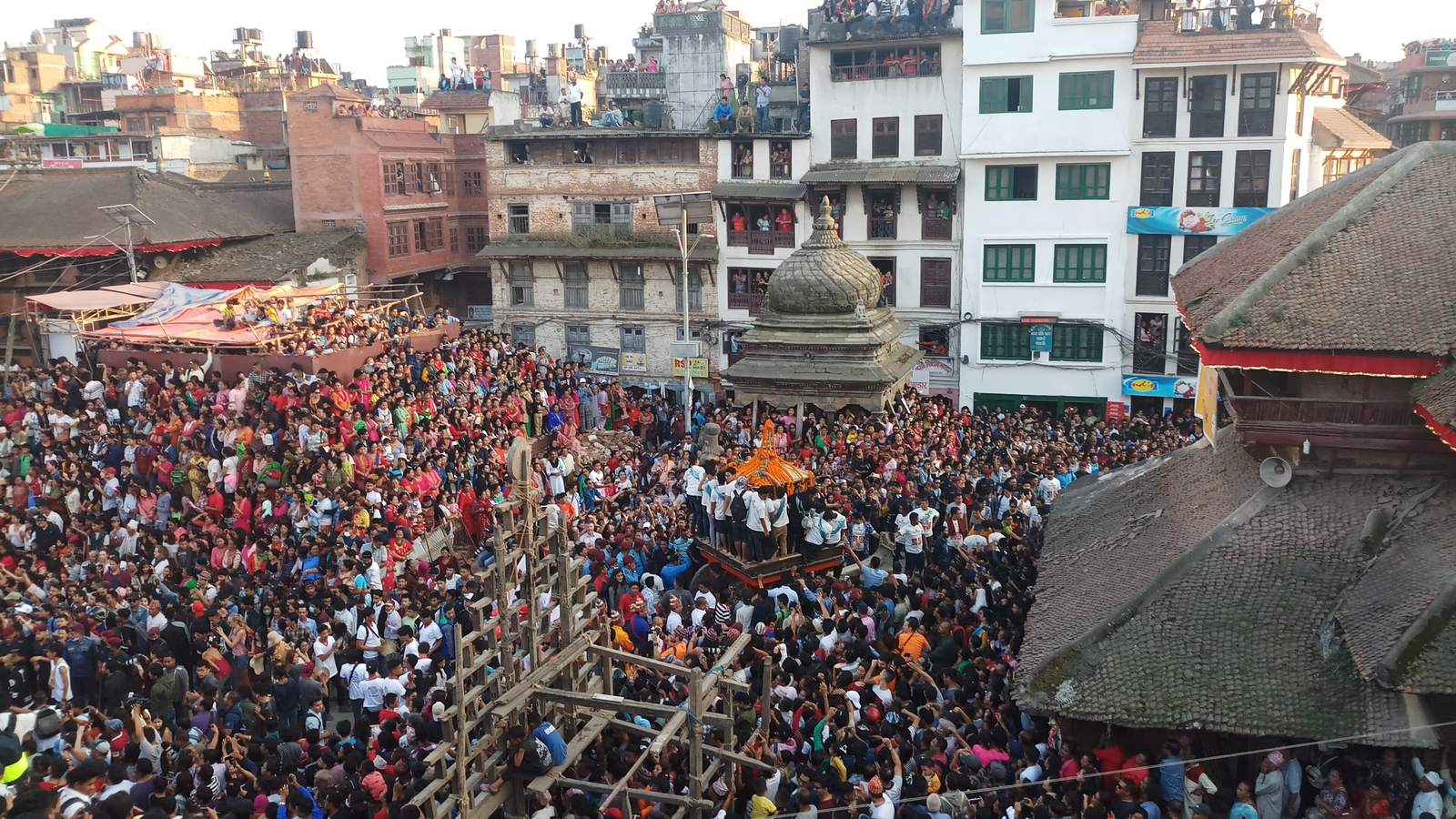
Indra Jatra in Kathmandu: Dates, Kumari Chariot, Yosin and Lakhey
Indra Jatra runs for about eight days in Kathmandu around the full moon of Yanla; in 2026 the main day was September 25. Learn about the Indra story, the yosin pole, the Kumari chariot and the masked dances.
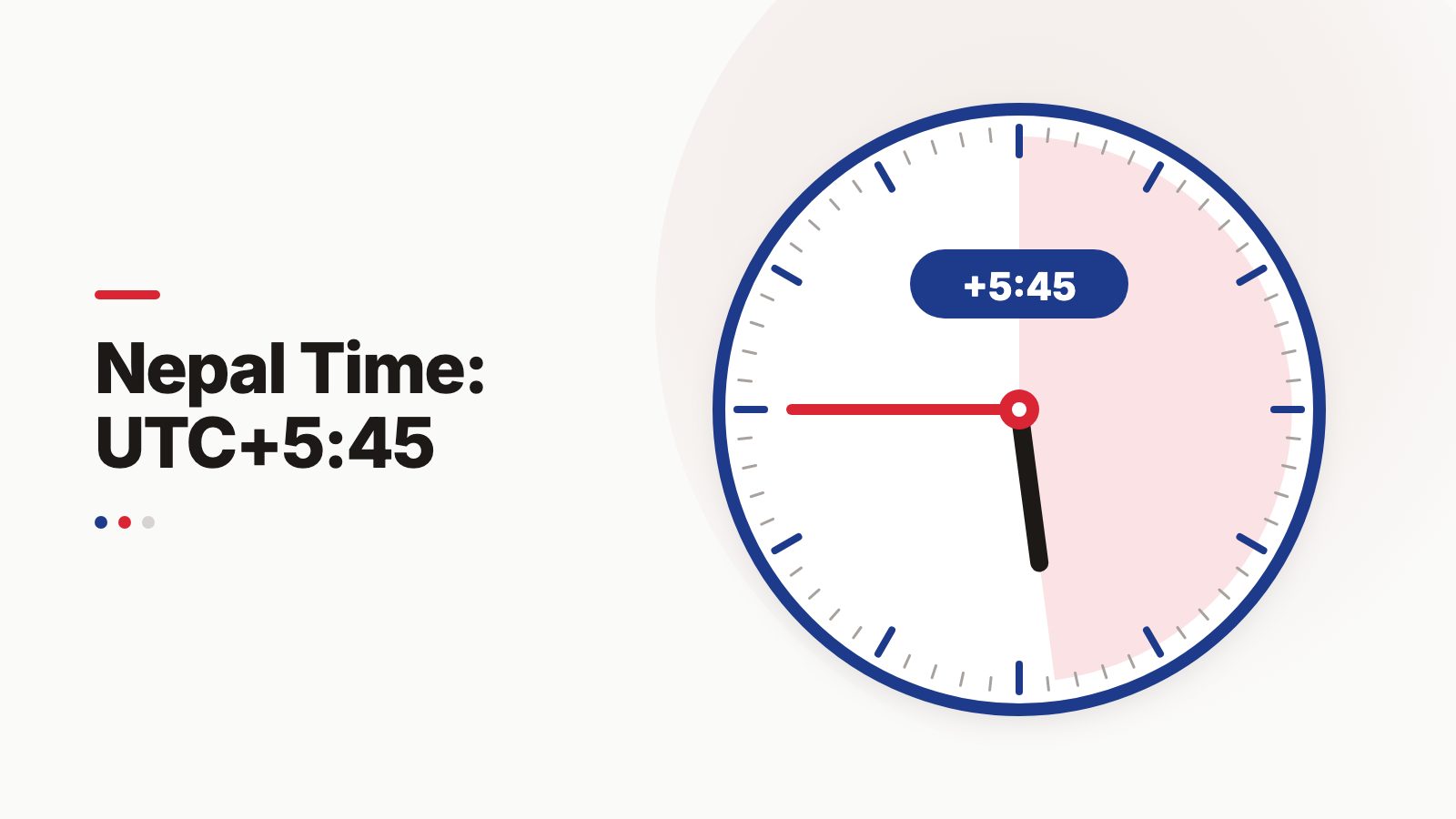
Nepal Time: Why the Clock Is Set 5 Hours 45 Minutes Ahead
Nepal time is UTC+5:45 all year, 15 minutes ahead of India, with no daylight saving. Learn where the 45 minutes comes from, when it became official, and the time difference with the Gulf, UK, US and Australia.
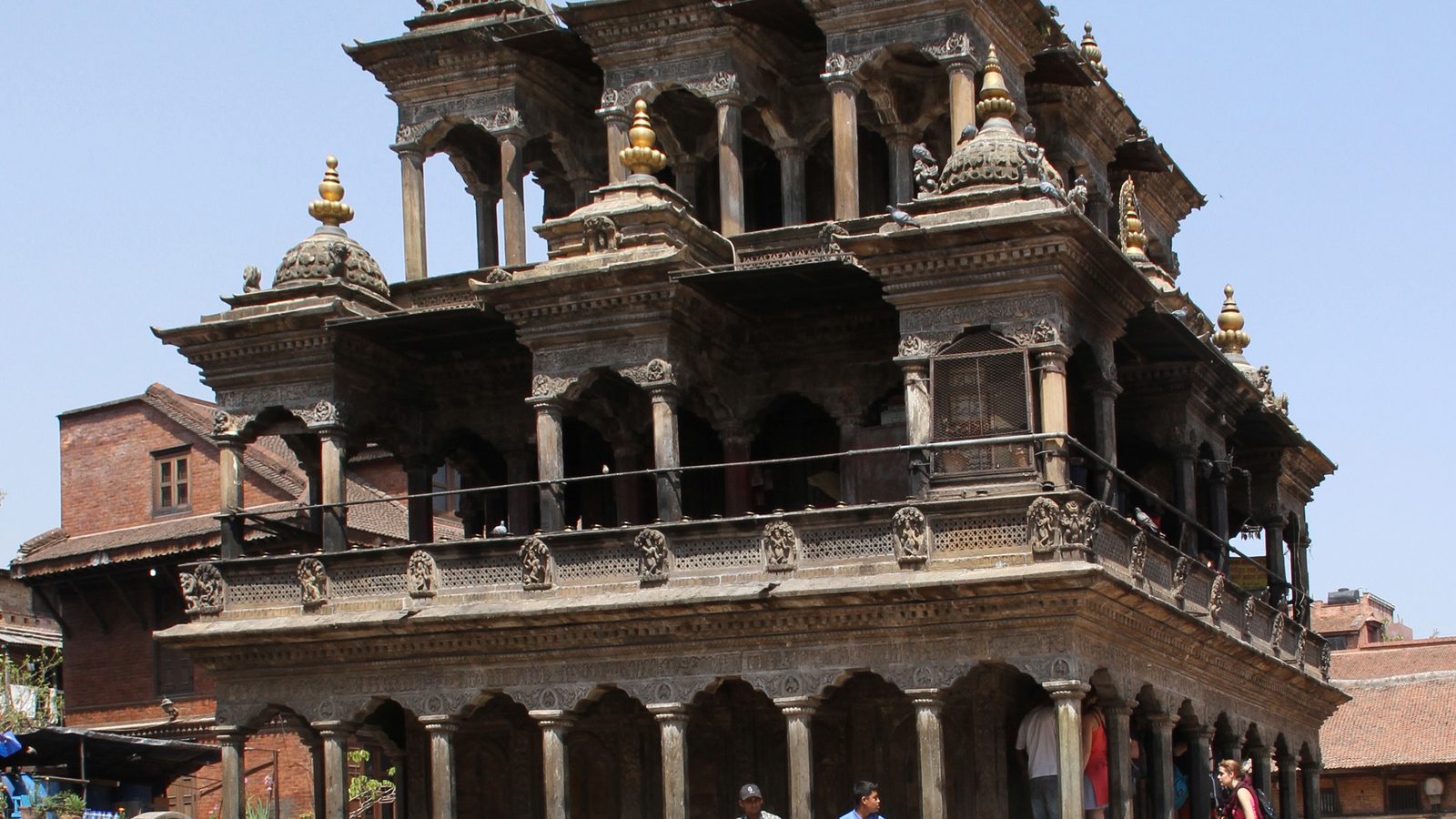
Krishna Janmashtami in Nepal: Midnight Puja at Krishna Mandir
Krishna Janmashtami falls on Bhadra Krishna Ashtami and is a public holiday in Nepal. This post explains the story, the day-long fast, the midnight puja and the vigil at Patan's Krishna Mandir.
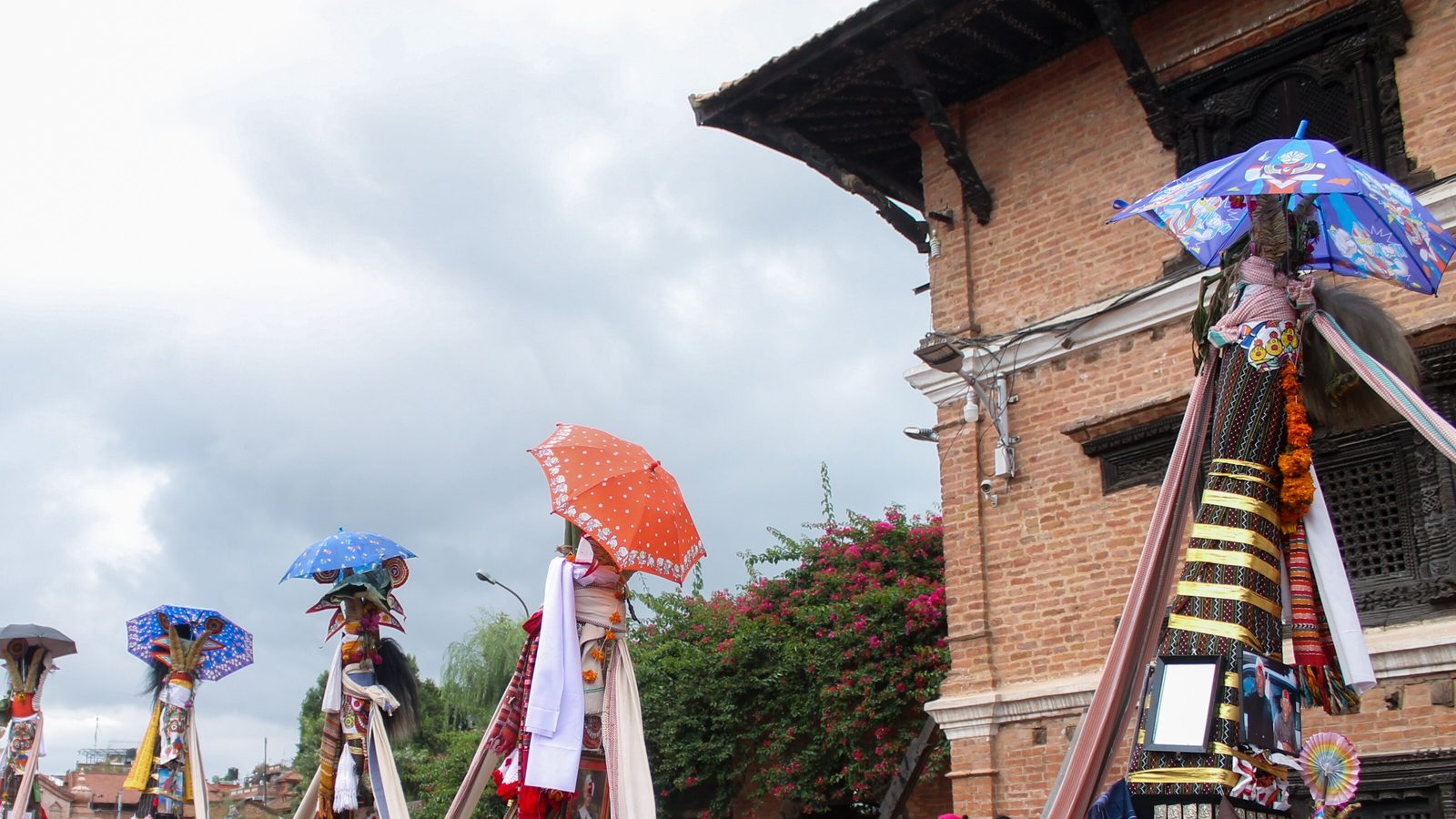
Gai Jatra: Nepal's Festival of Cows, Grief and Comedy
Gai Jatra falls the day after Janai Purnima, when families who lost someone that year walk a cow, or a child dressed as one, through town. Learn its date rule, the Pratap Malla story and where to watch it.

Janai Purnima and Raksha Bandhan: Sacred Threads and Kwati Soup
Janai Purnima 2083 falls on Bhadra 12 (28 August 2026). Learn how the janai is changed, what the raksha doro and rakhi mean, how kwati is made and where the Gosainkunda and Kumbheshwar pilgrimages happen.
Nag Panchami in Nepal: Why Households Worship the Serpent Gods
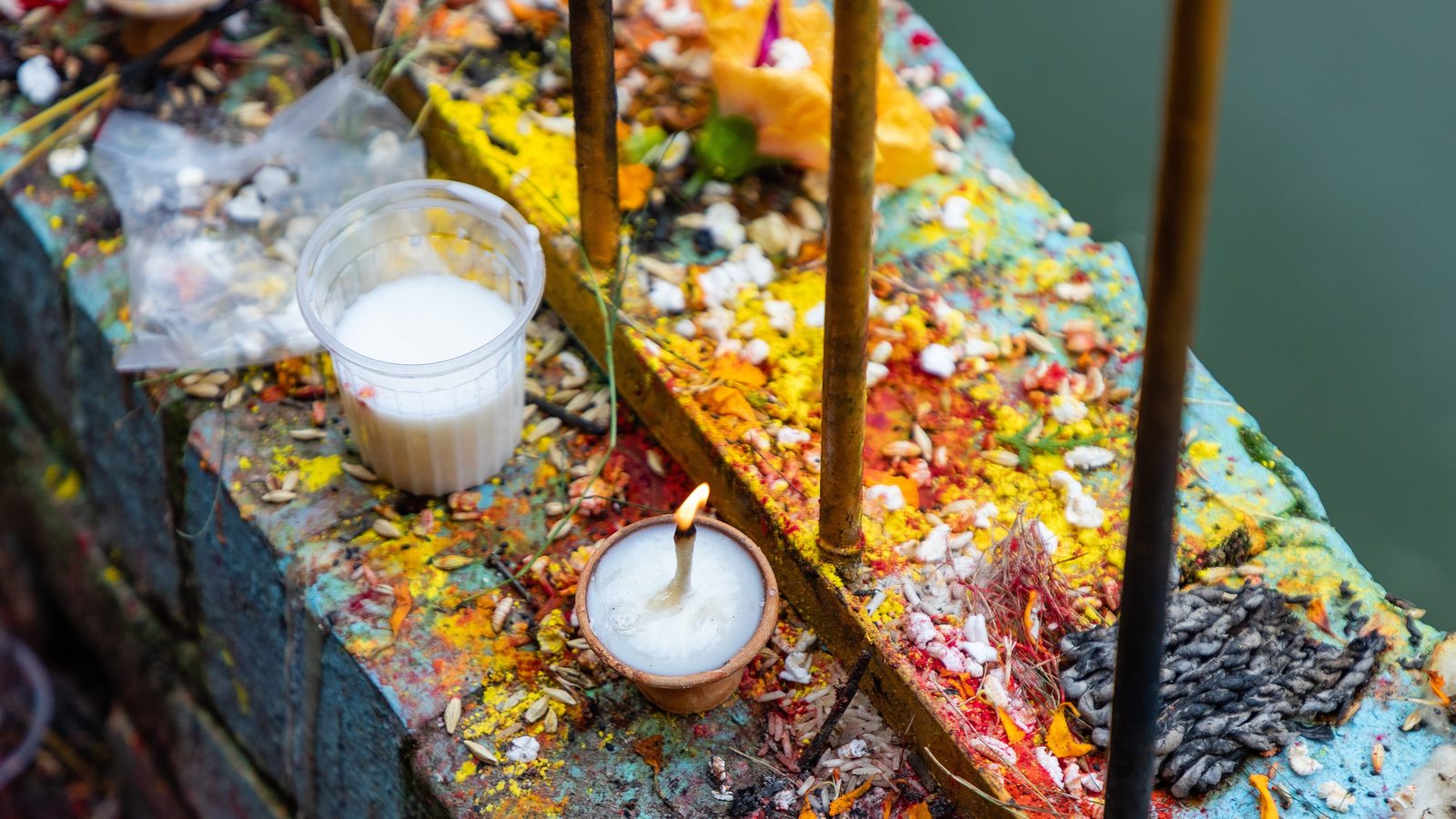
Nag Panchami falls on Shrawan Shukla Panchami, which is Bhadra 1, 2083 (August 17, 2026). Learn how the doorway nag puja is done, the Kathmandu lake legend, and where the biggest crowds gather.
Shrawan Month in Nepal: Sombar Fasting, Green Bangles, Bol Bam
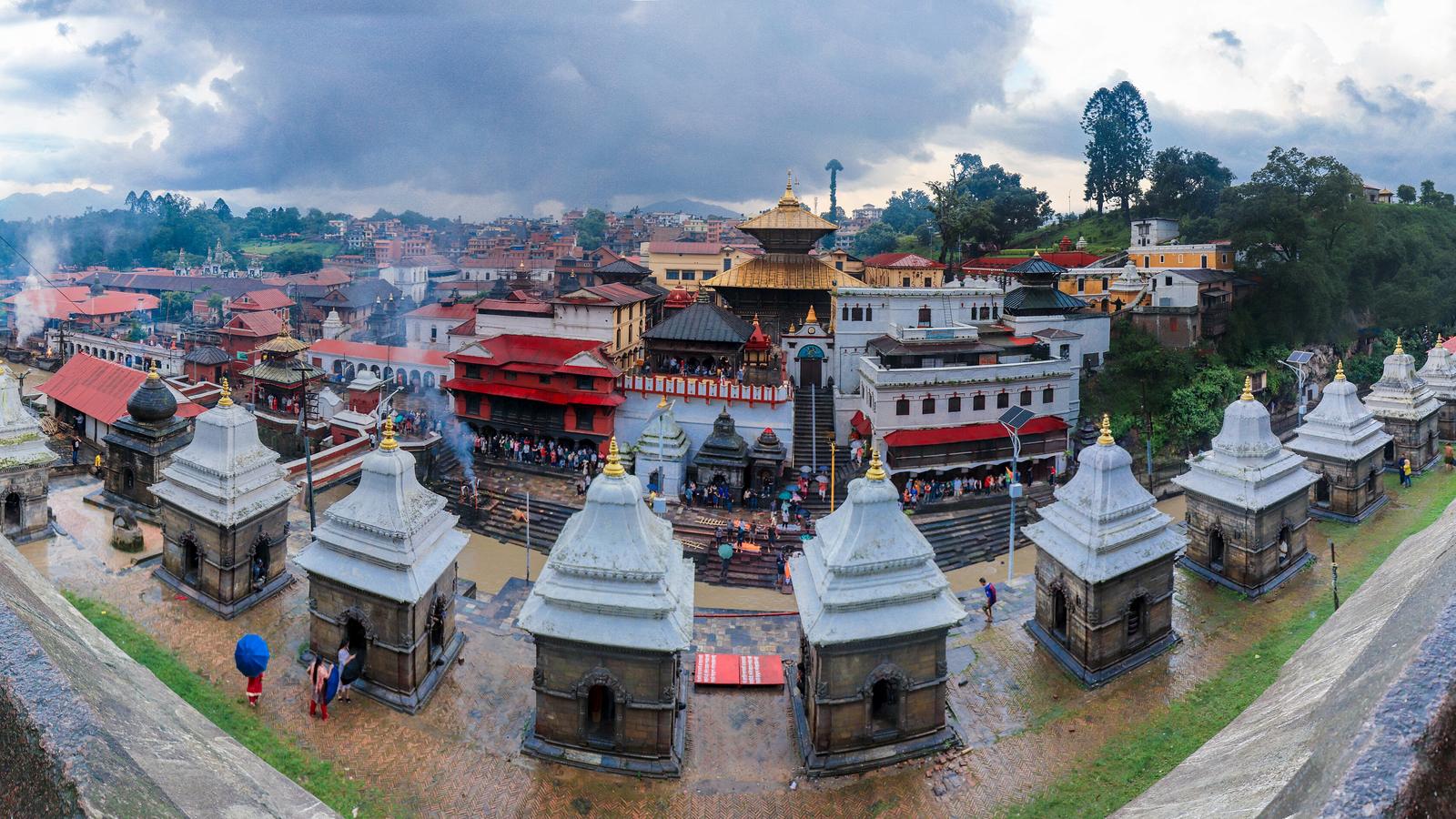
The Shrawan month runs from mid-July to mid-August and is dedicated to Shiva. Learn how the Shrawan Sombar fast is kept, why women wear green, where Bol Bam pilgrims walk, and which festivals follow.
Teej Festival: Meaning, Fasting, and Traditions
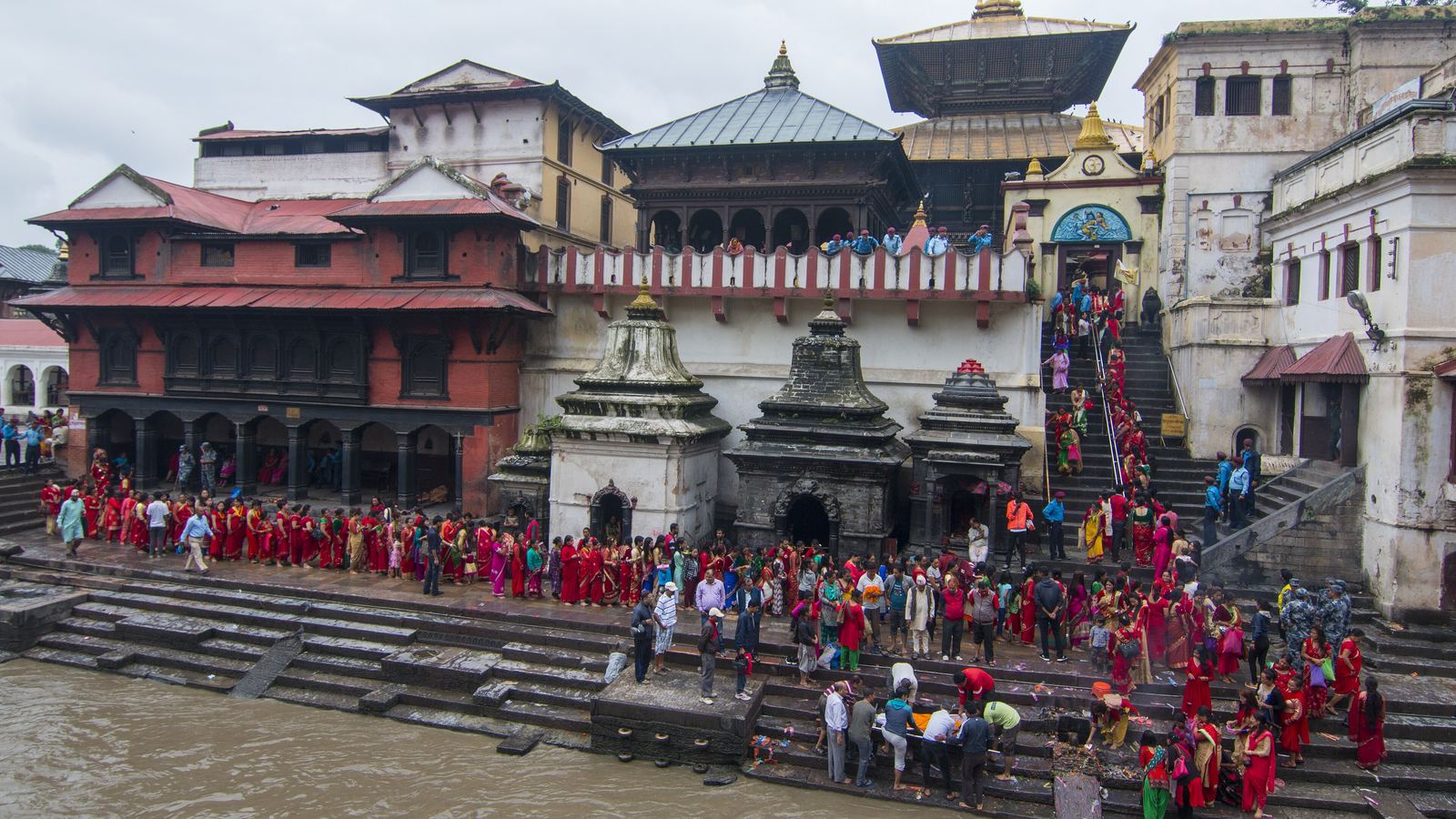
Teej (Haritalika Teej) falls on Bhadra Shukla Tritiya, when Hindu women fast and worship Shiva and Parvati. This guide explains the nirjala fast, dar khane din, the red attire and the three days up to Rishi Panchami.
What Is Panchang? Tithi, Nakshatra, Yoga & Karana
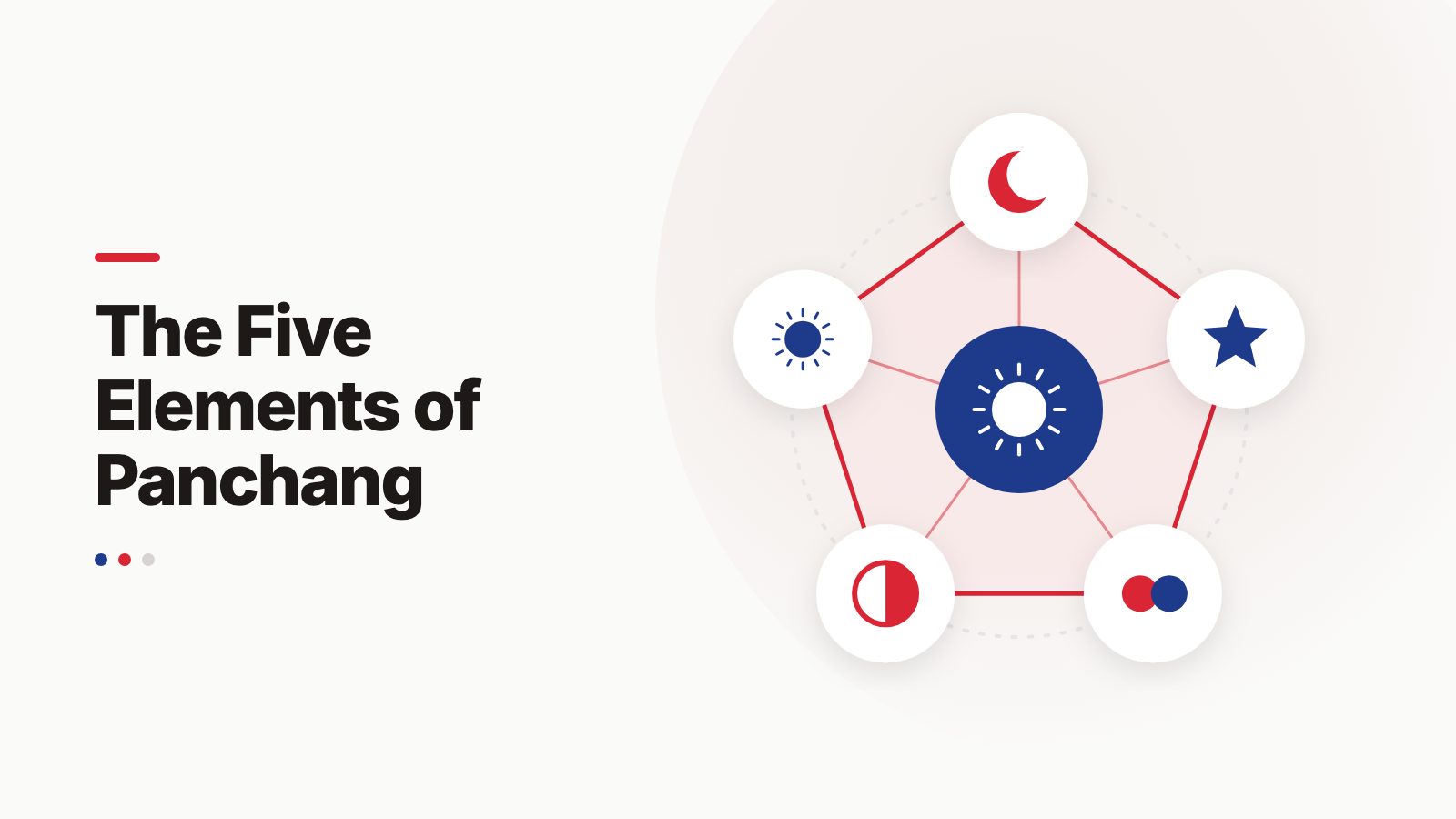
Panchang is the Hindu almanac built on five elements: Tithi, Vara, Nakshatra, Yoga and Karana. This guide explains each one, how they change during the day and how to read a daily Panchang.

How to Use the Nepali Calendar App: Events, Reminders & Panchang
How to use the Nepali Calendar app: the BS calendar, daily Panchang, Rashifal, custom events and birthday reminders. It also covers Kundali Milan, Saait lookup, exchange rates and the date converter.

The 27 Nakshatras: Complete List and Their Meanings
A list of all 27 nakshatras from Ashwini to Revati with their ruling planets and traits. It also covers what a nakshatra is, the 4 padas, and how nakshatras are used for naming and muhurta.
What Is the Bikram Sambat Calendar? Months, Years and New Year
Bikram Sambat is Nepal's official calendar and runs about 56 years and 8 months ahead of AD. This guide lists its 12 months, explains the +56/+57 year offset and why the new year falls in mid-April.
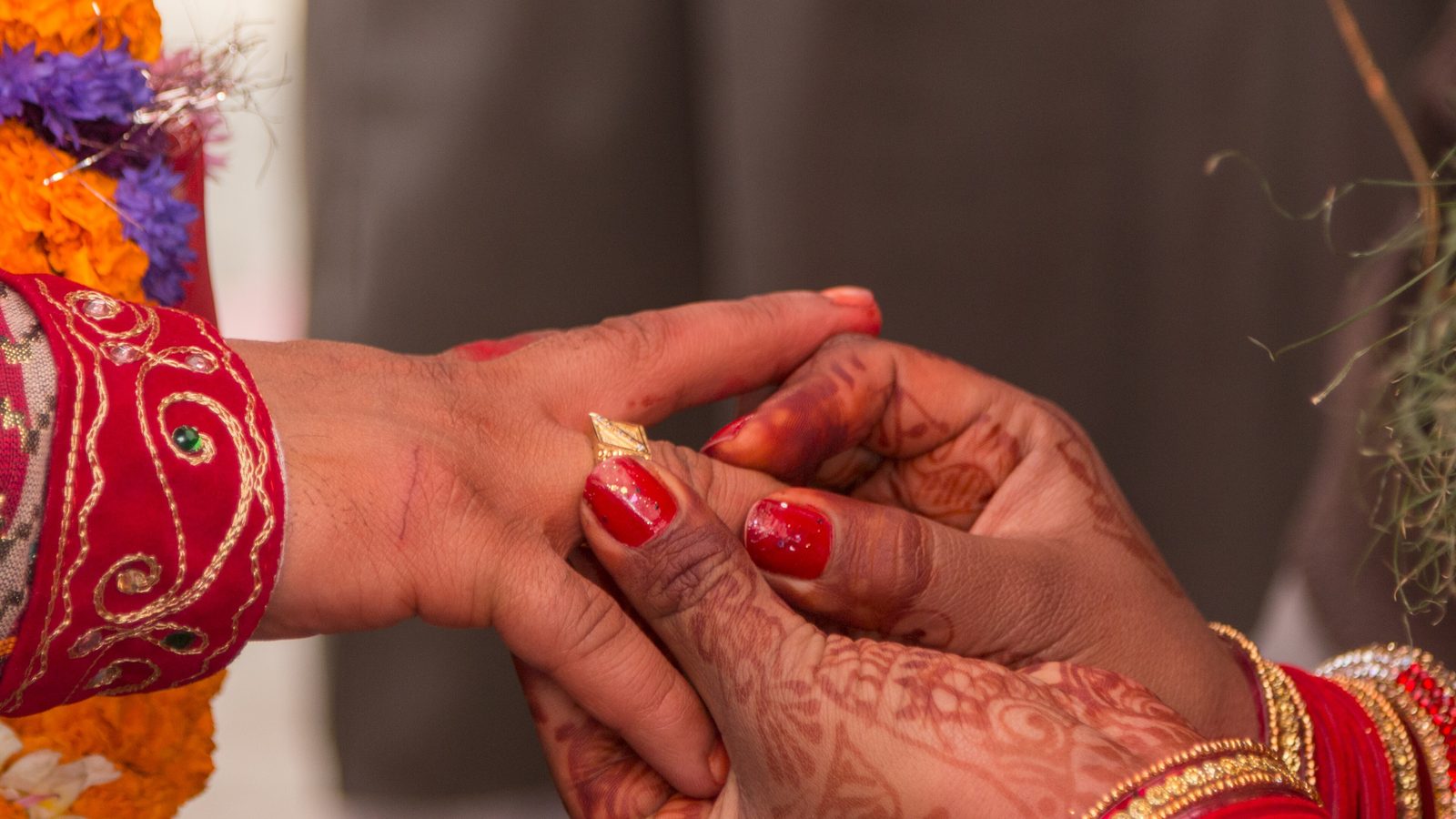
Auspicious Wedding Dates in Nepal: The Bibaha Saait Guide
Wedding dates in Nepal are fixed as a bibaha saait using tithi, nakshatra, lagna and the visibility of Jupiter and Venus. Learn which months have no weddings and how to find this year's saait list.
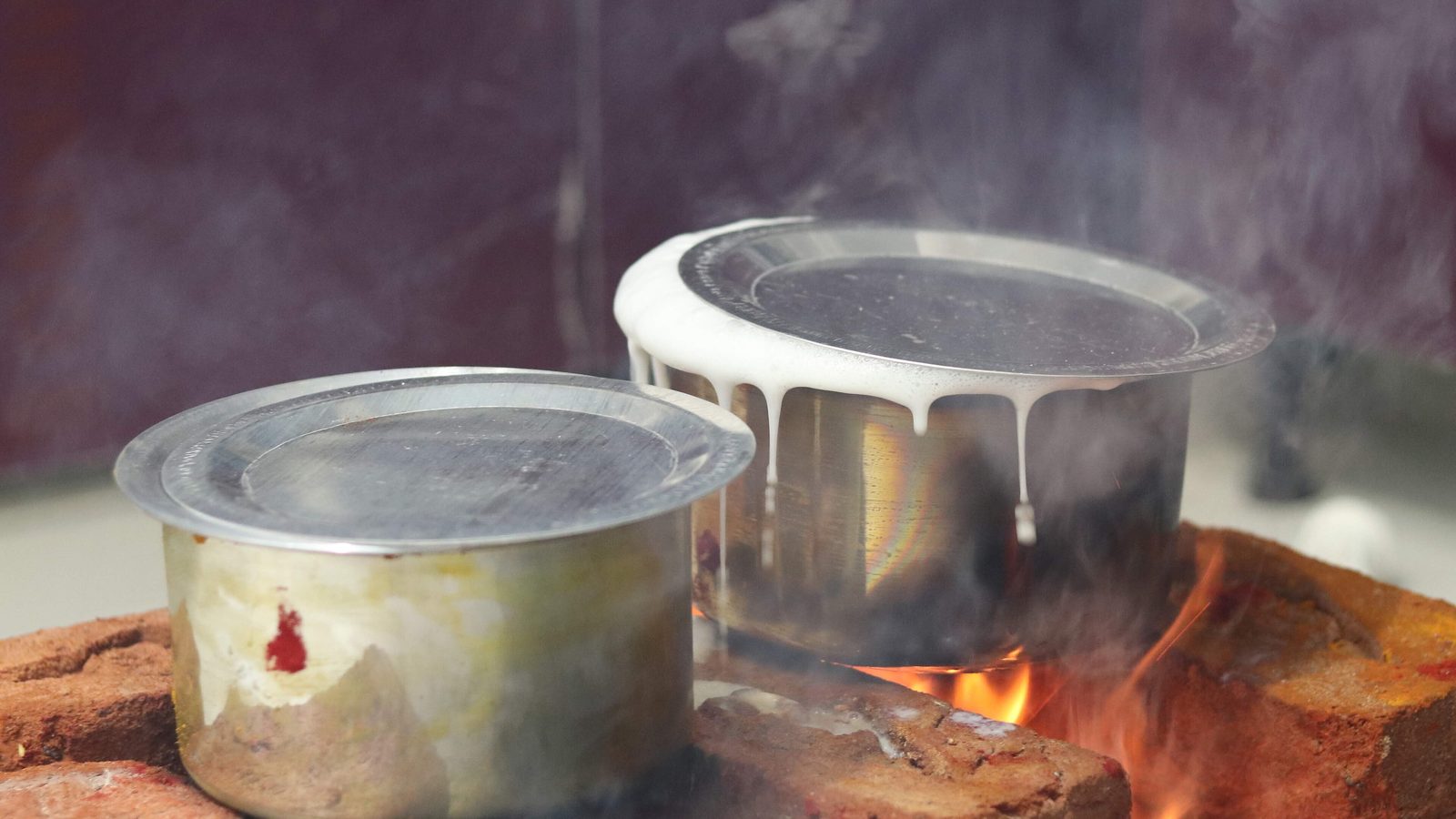
Griha Pravesh Muhurat: Choosing an Auspicious Housewarming Date
Griha Pravesh dates are chosen by month, tithi, weekday and nakshatra. This guide lists the three types, the best months (Magh, Falgun, Baisakh, Jestha), favorable nakshatras and why Chaturmas is avoided.

What Is Manglik Dosha? Meaning, Effects, and Remedies
Manglik Dosha is Mars in the 1st, 2nd, 4th, 7th, 8th or 12th house of a birth chart. This guide covers partial and high Manglik, the cancellation (parihar) rules and the common remedies.

What Is Rashifal? The Daily Nepali Horoscope Explained
Rashifal is the Nepali horoscope, read by your moon-sign (chandra rashi) instead of your sun-sign. This guide covers the daily, weekly, monthly and yearly types and how to find your rashi from your birth time.
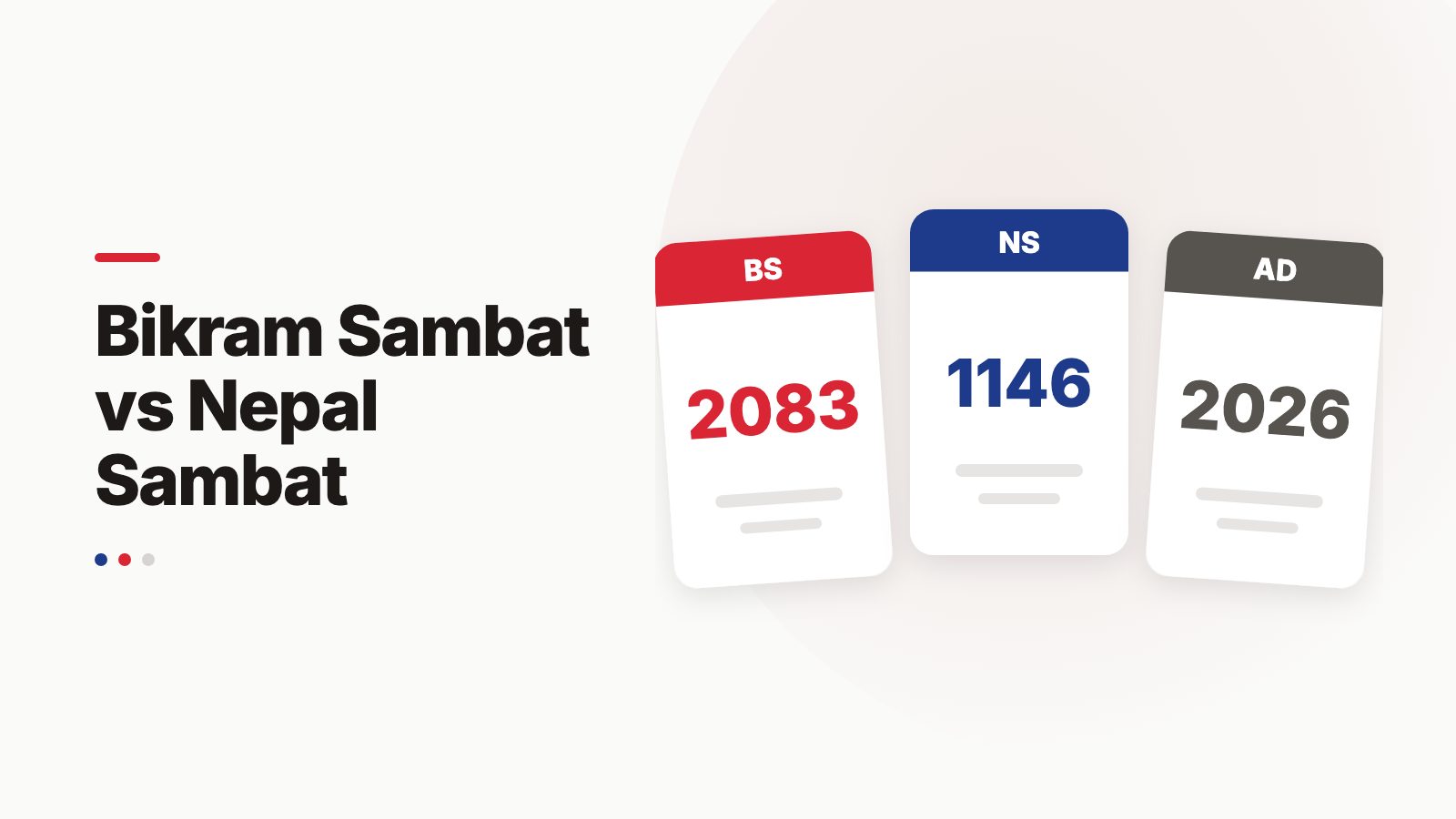
Bikram Sambat vs Nepal Sambat vs AD: Key Differences
Bikram Sambat starts around 57 BC and its year begins in mid-April, Nepal Sambat starts in 879 AD with a lunar new year in Kartik. This guide compares both with AD and shows how to convert dates.

How to Read Today's Panchang: A Beginner's Guide
What each part of today's Panchang means: Tithi, Vara, Nakshatra, Yoga and Karana, plus Rahu Kaal and sunrise. Also which three values to check each day and why their times change daily.
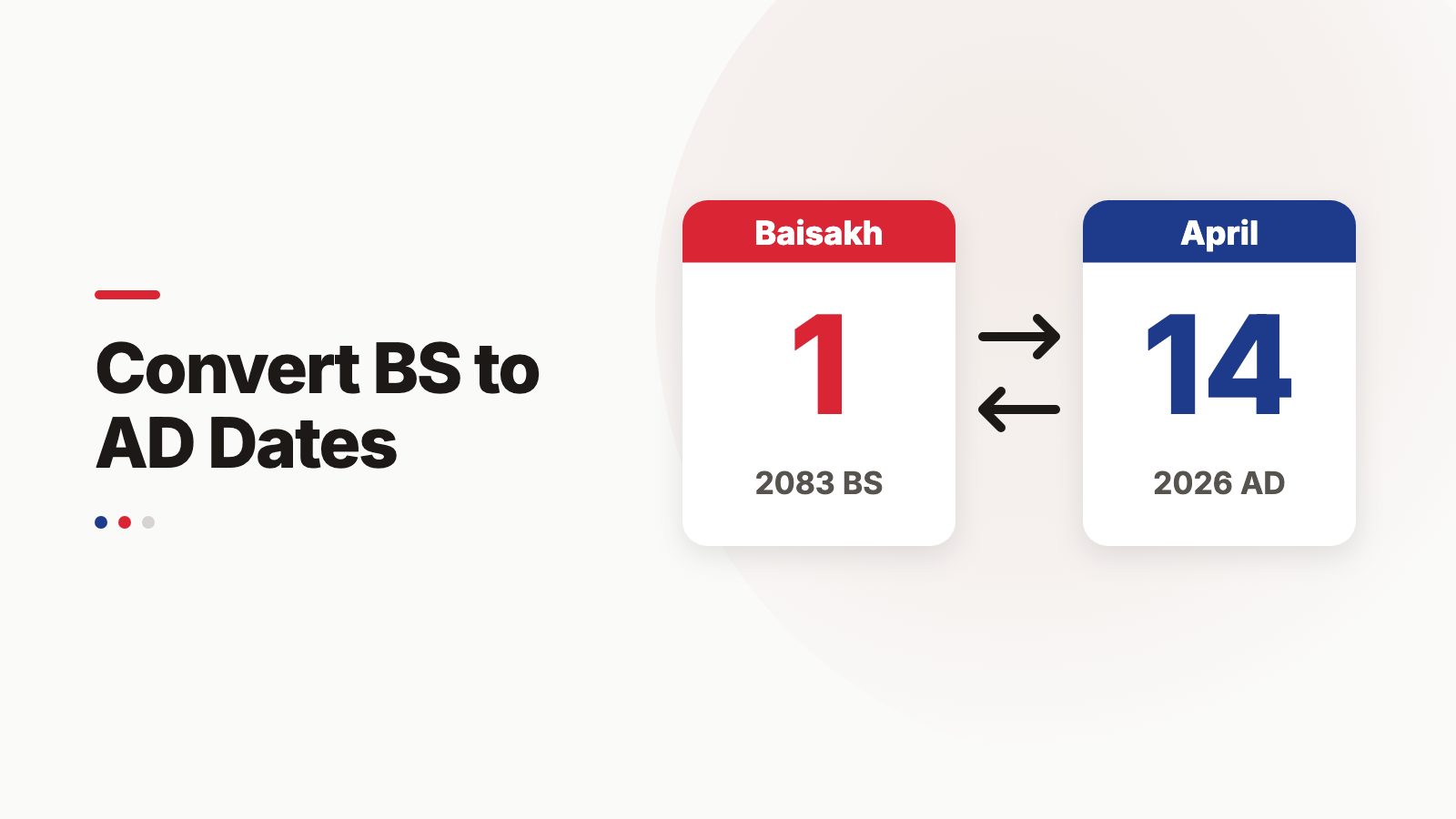
How to Convert BS to AD Dates (and Back)
Convert Bikram Sambat dates to AD and back: subtract 57 or 56 from the BS year depending on the month. Learn why the exact day needs a year-by-year table, with worked examples.
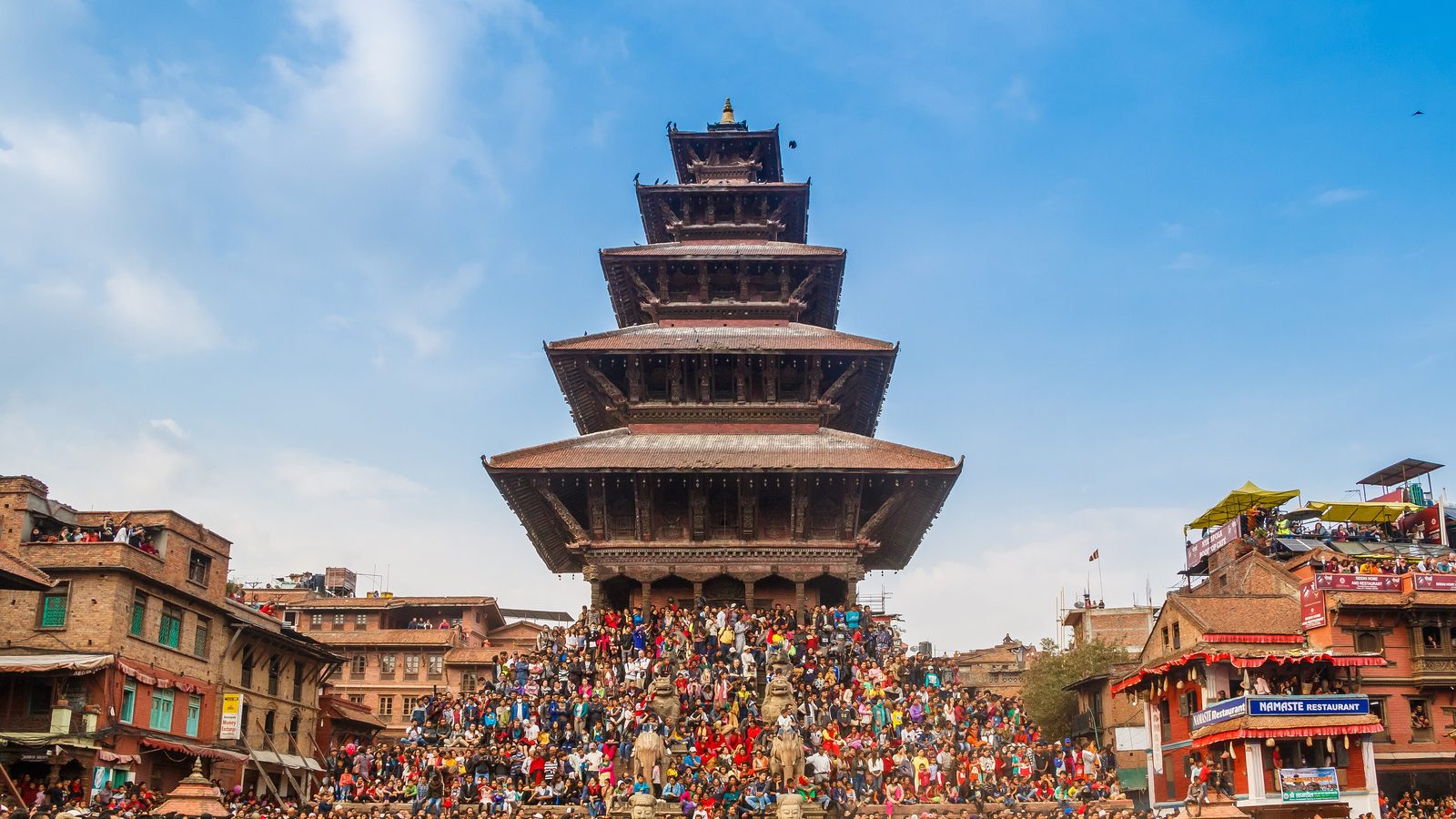
Nepali New Year (Navavarsha): Why It Falls in April
Nepali New Year (Navavarsha) falls on Baisakh 1, around April 13 or 14, when the Sun enters Aries. This post explains the BS year change and how it differs from Nepal Sambat and Lhosar.
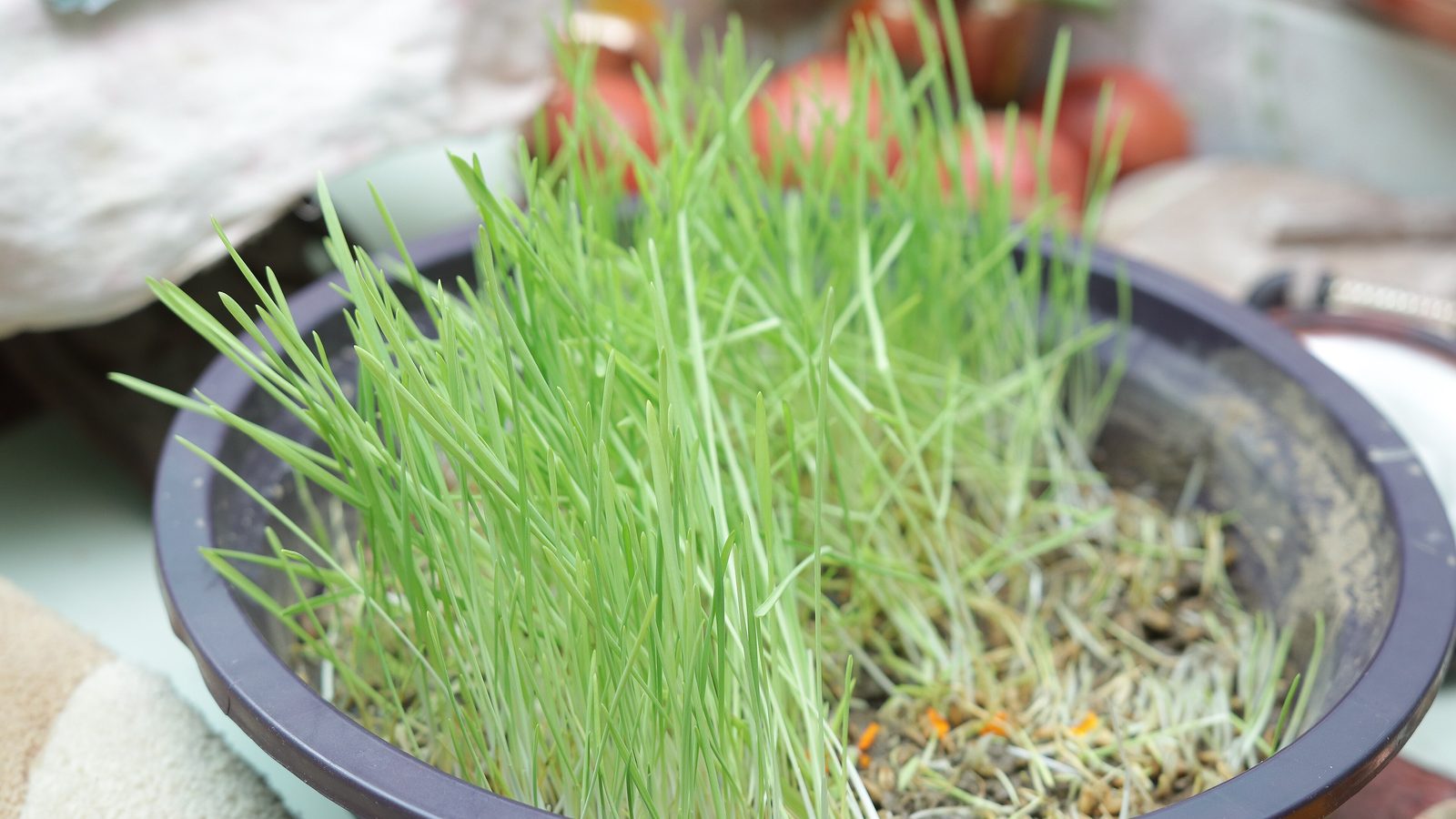
Dashain Festival Guide: Days, Rituals, and Significance
Dashain 2083 runs from Ghatasthapana on 11 October 2026 to Kojagrat Purnima on 25 October, with tika on 21 October. This guide covers each main day, jamara and tika, and the Durga story.

What Is Rahu Kaal? Meaning, Timings, and How to Calculate
Rahu Kaal is a daily inauspicious period of about 90 minutes, one-eighth of the daylight. This guide gives the weekday slot order and shows how to calculate it from local sunrise and sunset.
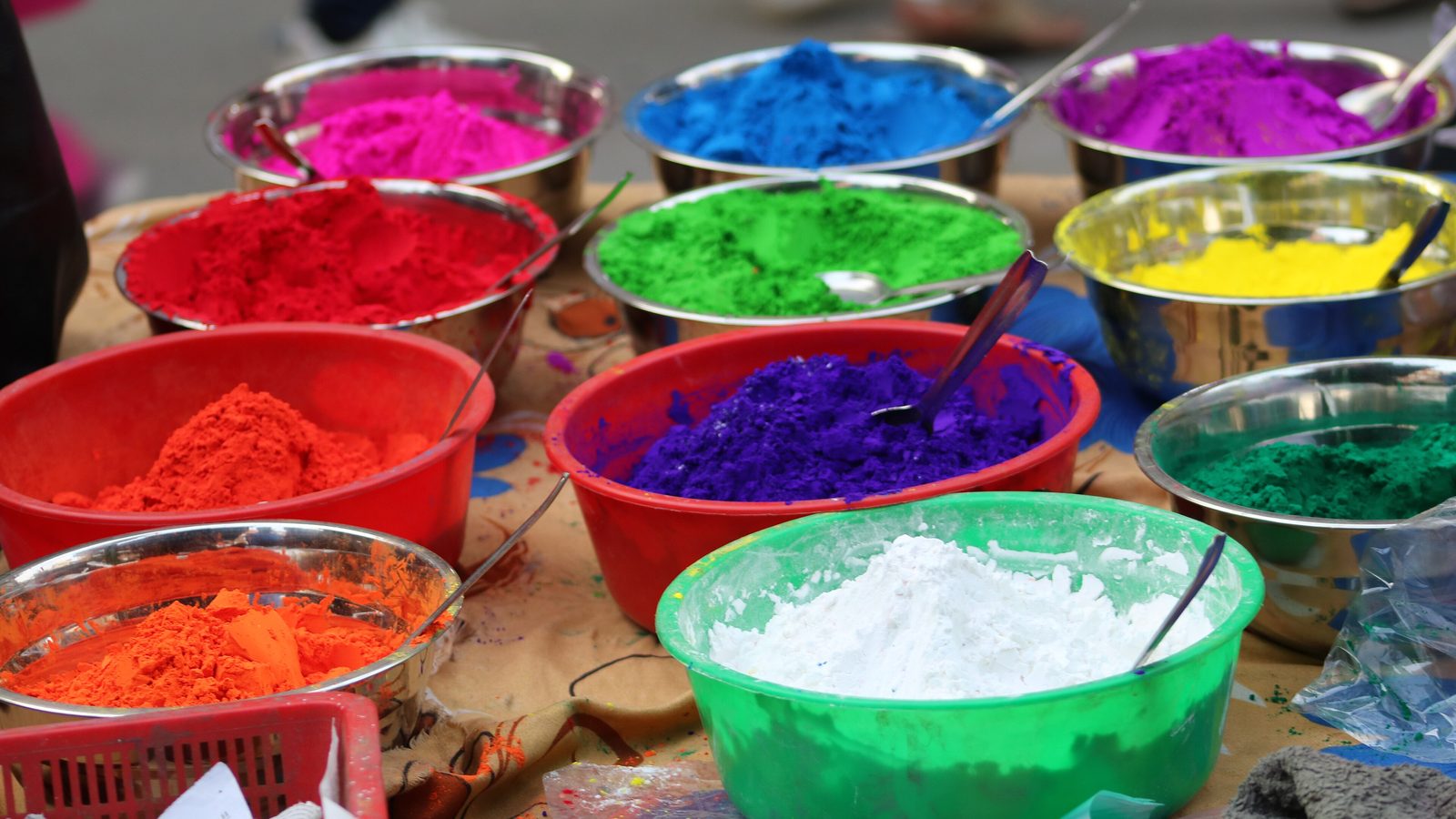
Holi (Fagu Purnima) in Nepal: Dates, Story and Customs
Holi (Fagu Purnima) falls on Falgun Purnima: 2 March 2026 and 21 March 2027 in the hills, one day later in the Terai. Learn the Holika Dahan story, the chir pole and Holi customs in Nepal.
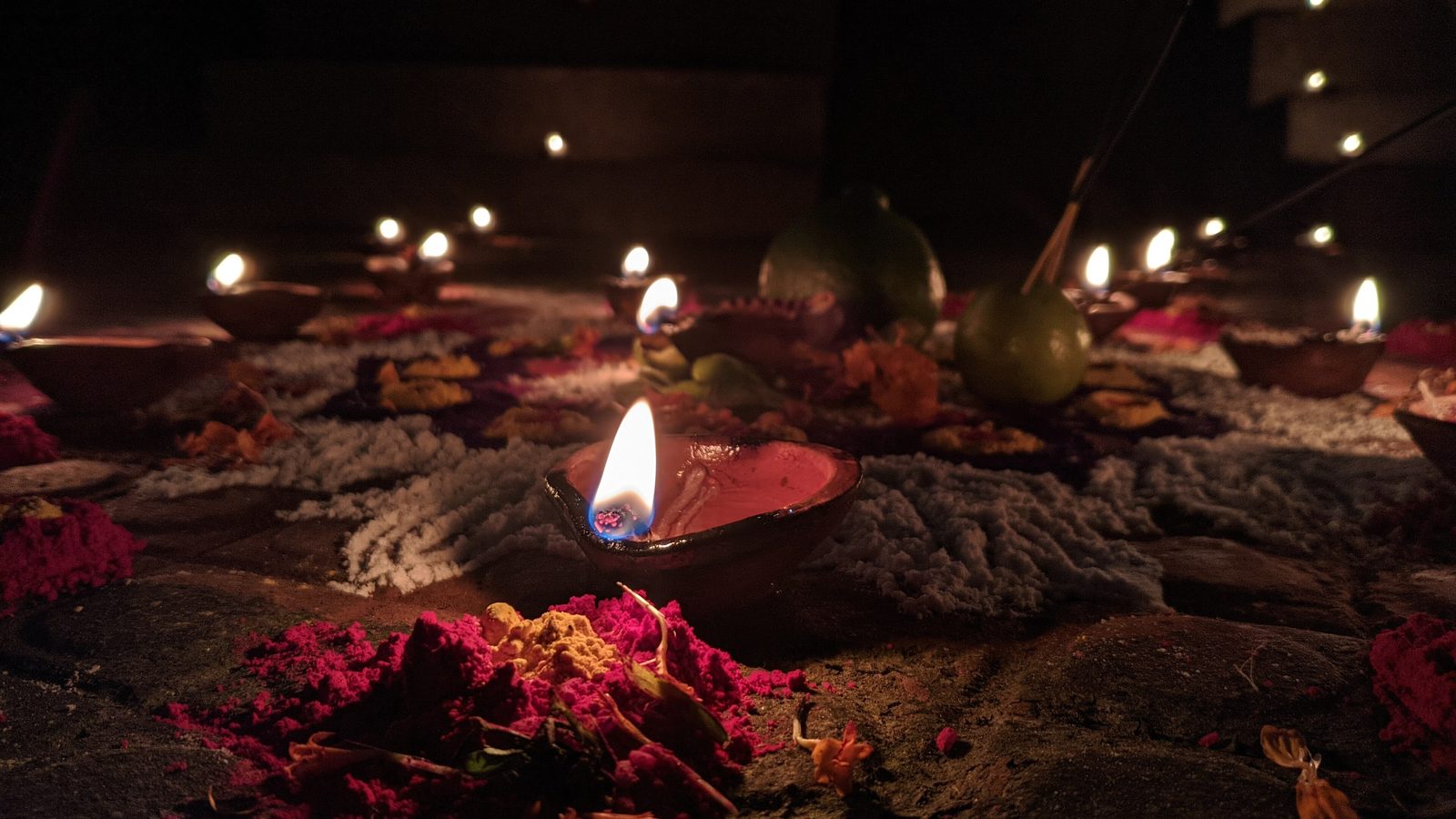
Tihar (Deepawali): The Five Days of the Festival of Lights
Tihar is Nepal's five-day festival of lights in Kartik, honouring crows, dogs, cows, oxen and finally siblings on Bhai Tika. This guide lists each day's tithi, meaning and rituals.
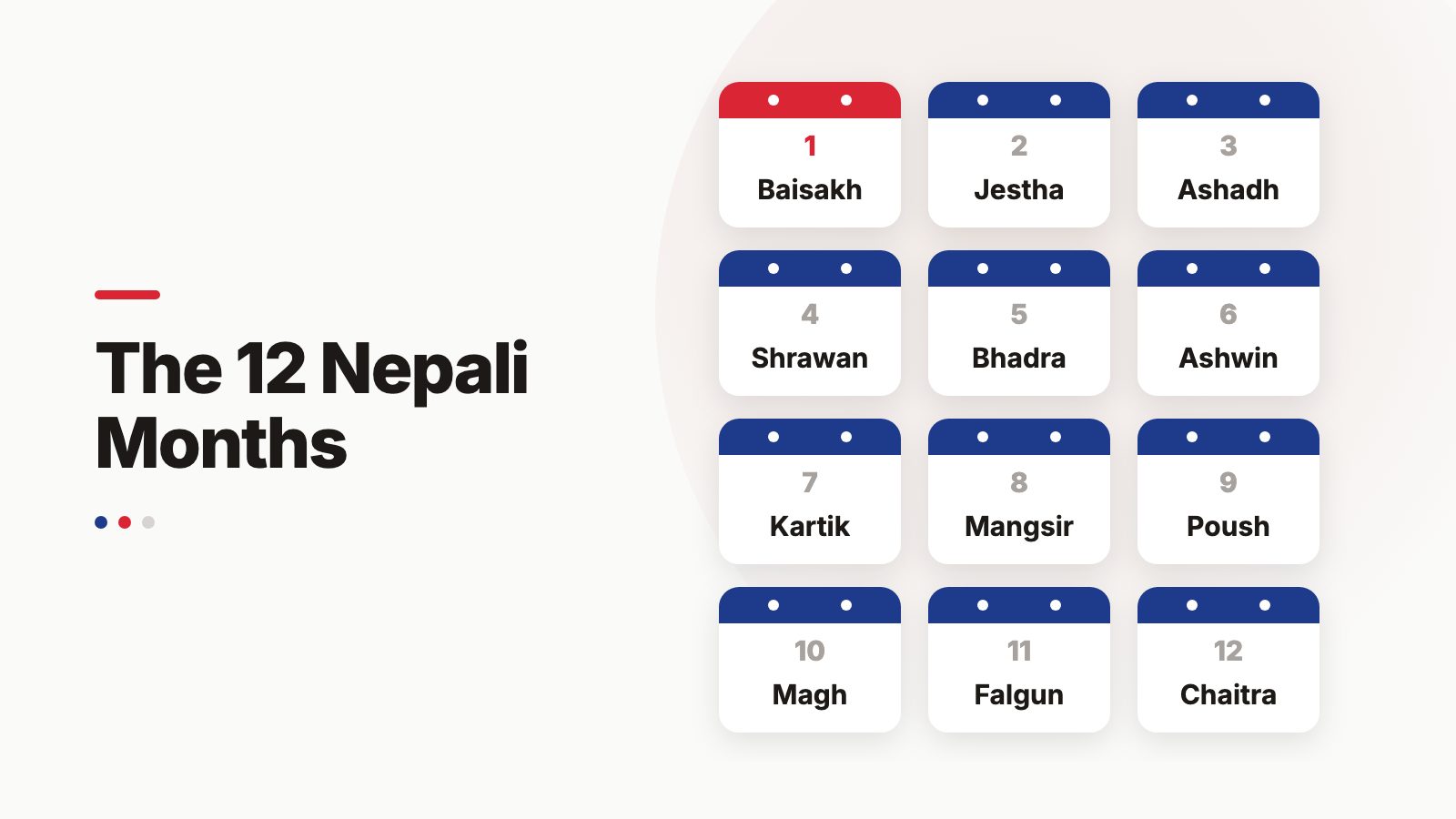
The 12 Nepali Calendar Months in Order (Baisakh to Chaitra)
The 12 Bikram Sambat months in order from Baisakh to Chaitra, with the Gregorian span and usual day count of each. Also covers why month lengths change every year and which festivals fall in each month.
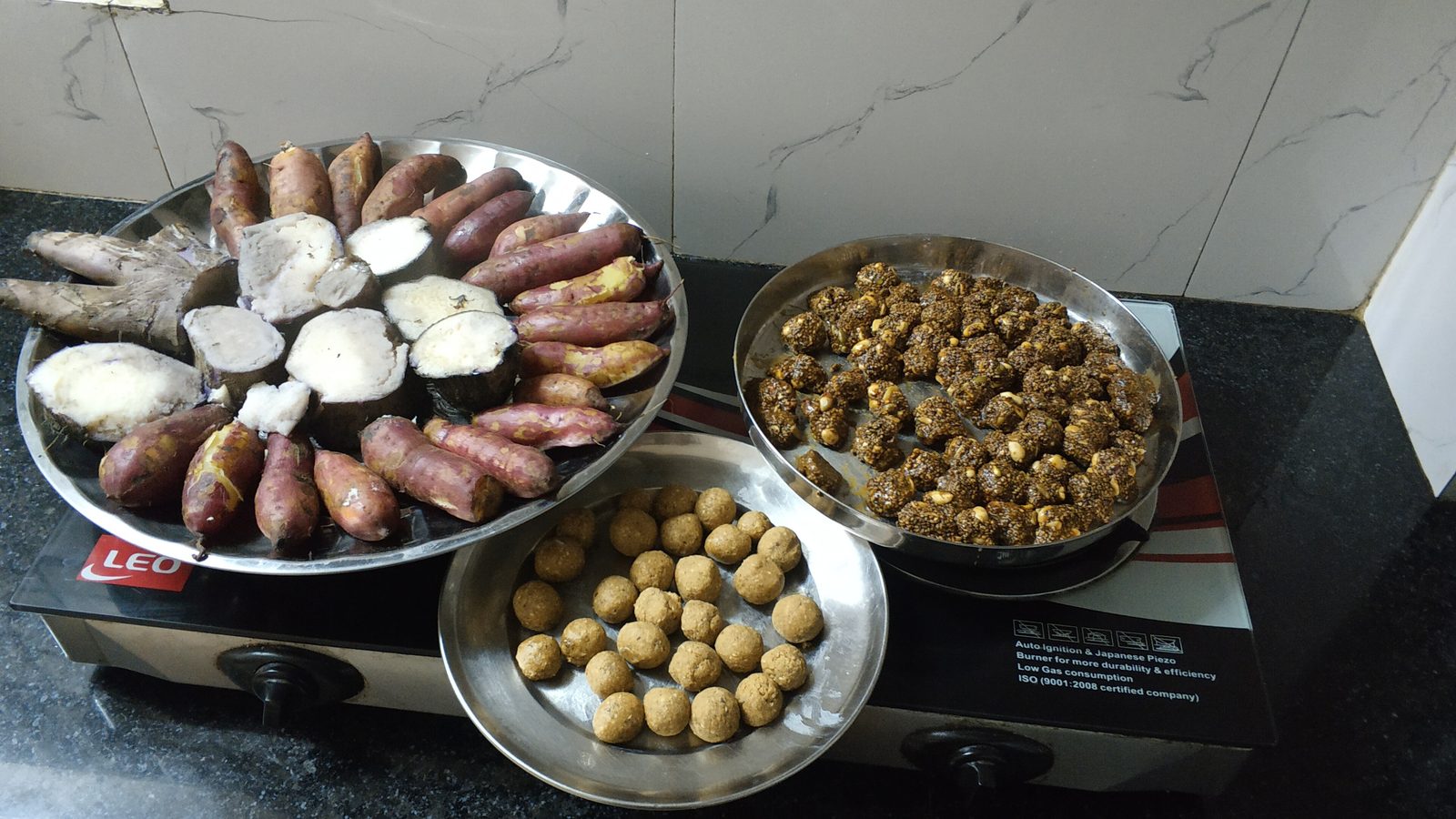
Maghe Sankranti: Date, Foods and Meaning of Nepal's Midwinter Festival
Maghe Sankranti falls on Magh 1 (January 14 or 15), when the Sun enters Makar. Learn why the date stays fixed, the foods eaten (til ko laddu, chaku, ghee, tarul), the main bathing sites, and the Tharu Maghi.

Kundali Milan: The 36 Gun Ashtakoot System
Kundali Milan scores a couple out of 36 points across eight kootas, from Varna (1 point) to Nadi (8 points). See what each score range means and how Nadi and Bhakoot dosha work.
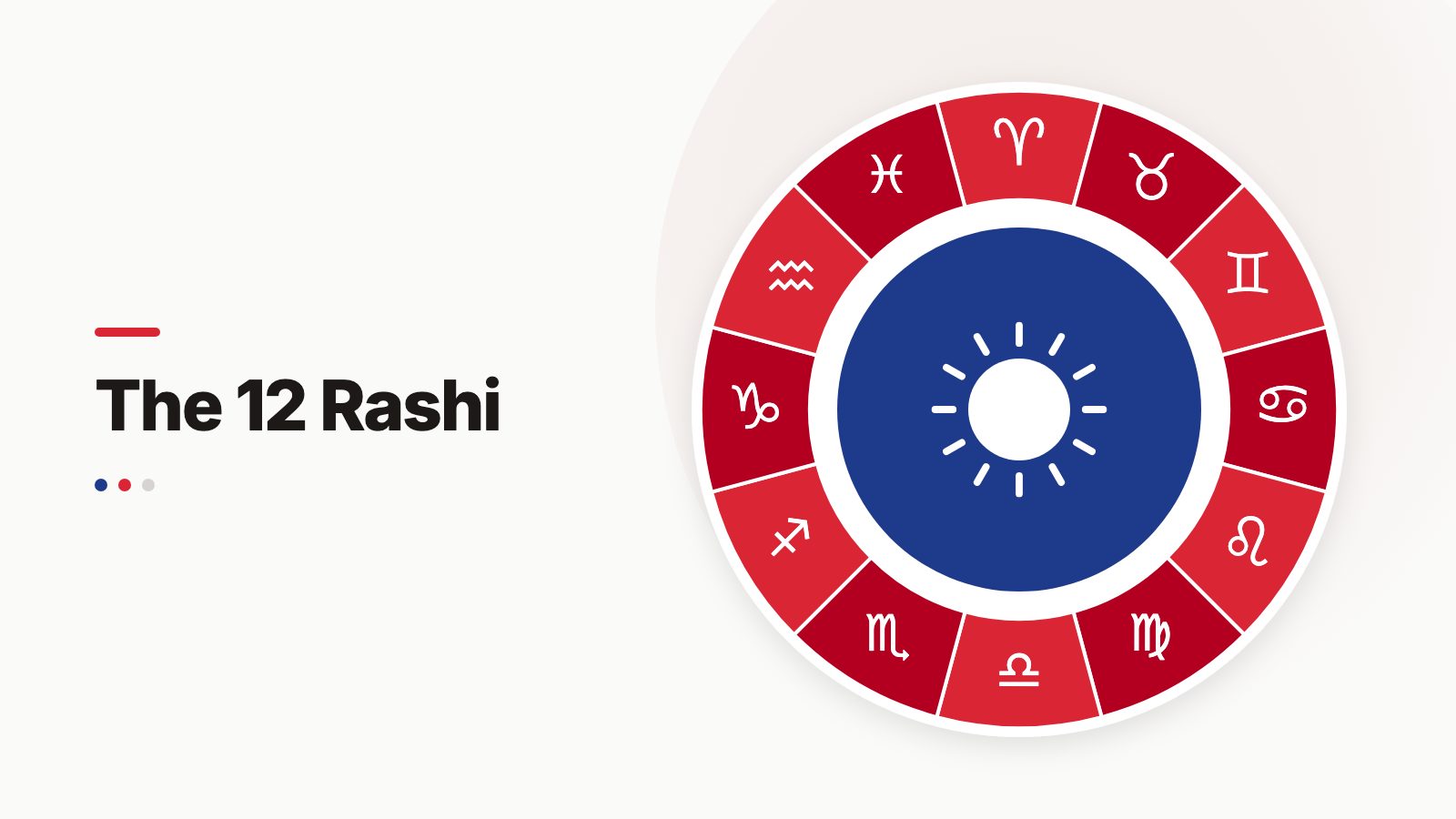
The 12 Rashi (Zodiac Signs): Traits and Characteristics
All 12 Rashi of Vedic astrology from Mesh to Meen, with each sign's English name, ruling planet and element. Also lists the traditional traits of each sign and explains why Nepal uses the moon sign.