
Photo: Haribanshnp, CC BY-SA 4.0, via Wikimedia Commons
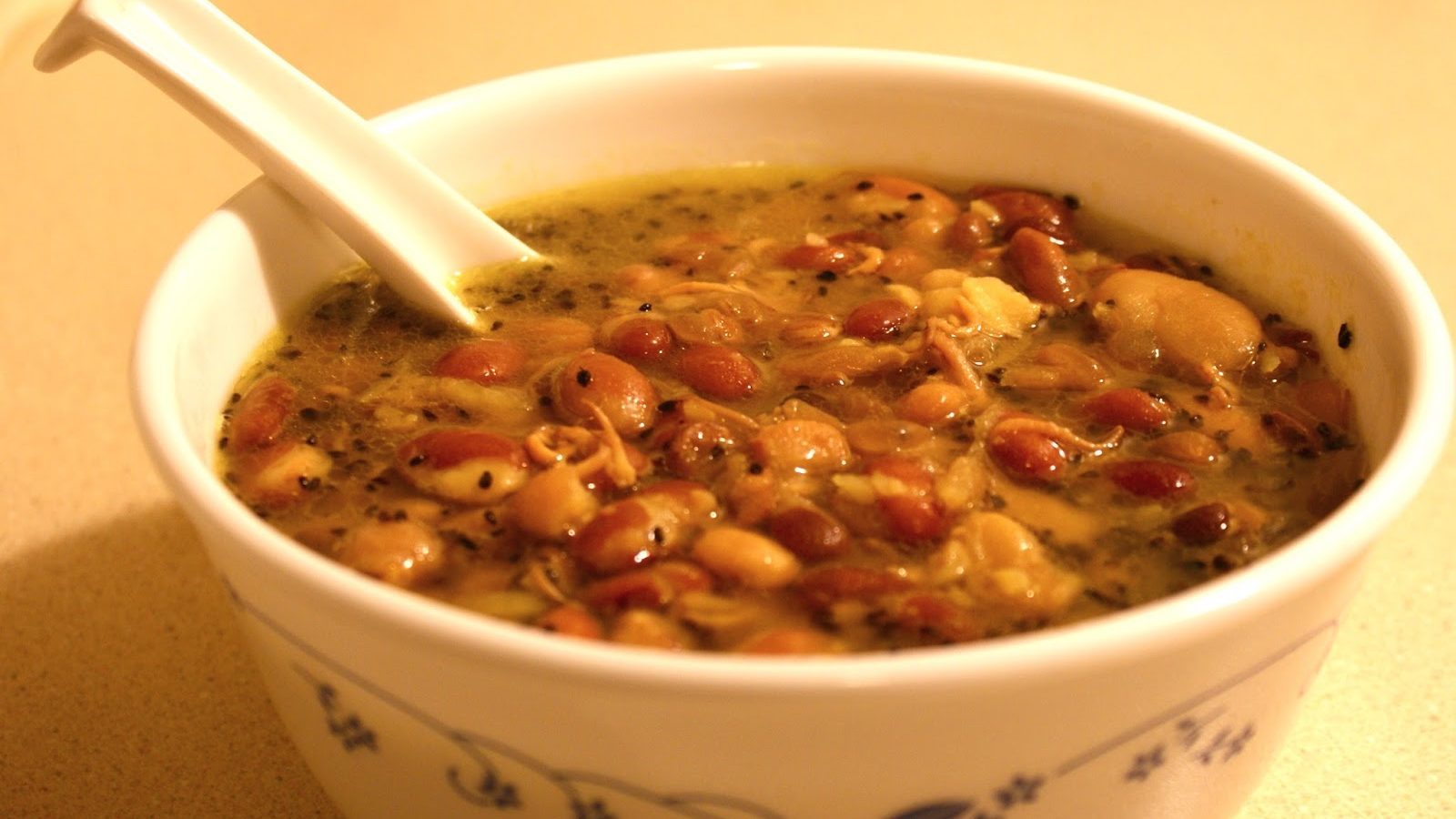
Janai Purnima combines several community traditions. Some Hindu men renew the sacred thread; others receive a protective wrist thread, and many families mark Raksha Bandhan between siblings. Kwati, a soup of mixed sprouted beans, is especially associated with Newar observance and is also enjoyed by other households. Participation and rituals differ; these customs do not describe every Nepali family.
The janai: changed once a year on Janai Purnima
The Janai is a sacred cotton thread worn after Bratabandha in communities that follow this practice. Its strands have several traditional explanations, and the construction varies. On Janai Purnima, wearers may renew it with a priest’s guidance. Follow your household’s disposal custom without leaving thread, packaging or other waste in rivers or ponds.
The morning bath is the most visible part of the festival. Riverbanks and temple ponds fill before dawn. Apart from Shivaratri, this is the busiest day of the year at the Pashupatinath ghats and at the ponds of the old Newar towns.
The raksha doro: a protective thread for everyone
You do not need to wear a janai to take part. The raksha doro is a yellow or red thread that a priest ties on the wrist while reciting a protection mantra. Anyone can receive it: men, women and children of any caste and any age. It is worn until Laxmi Puja in Tihar. By tradition it is then tied to a cow's tail, so that the cow can lead you across the Vaitarani river after death. In practice, many people keep the doro on until it wears out. The name Rakshya Bandhan means "bond of protection".
Rakhi: the thread between brother and sister
In the Terai, and in families with roots on both sides of the border, the day is mainly Raksha Bandhan between siblings. A sister ties a decorated rakhi on her brother's wrist and puts tika on his forehead. He promises to protect her and usually gives her a gift. Over the last generation the rakhi custom has spread well beyond the communities where it started. Kathmandu shops now sell rakhis in the week before the full moon, and many hill families tie rakhi on the same day as the janai and doro.
Kwati: the nine-bean soup
Kwati is the main dish of the day. It is a soup of nine kinds of sprouted beans. The usual list is black gram, green gram, chickpea, soybean, field bean, cowpea, rice bean, kidney bean and dried pea. The beans are soaked for several days so that the sprouts are just showing when they are cooked. The dish suits the season: it is the wettest part of the monsoon, farm work is heavy, and a hot soup high in protein marks the change of season. Markets sell ready-mixed kwati beans all week, but the soaking and sprouting still have to be done at home.
Plan ahead: soak the beans at least three or four days before the full moon, or they will not sprout in time. If you want a priest to change your janai or tie the doro at home, tell him a day in advance, because priests go from house to house all morning on Janai Purnima.
Gosainkunda and Kumbheshwar
Two pilgrimages are linked to this day. Gosainkunda is an alpine lake at 4,380 metres in Rasuwa. According to legend, Shiva made it by striking the mountain with his trident to get water to cool his throat after drinking poison. Thousands of pilgrims time their trek to bathe there on this full moon. Jhankris (shamans) make the trip in full dress, and their drumming on the lakeshore is one of the best-known sights of the ritual year.
In Patan, the pond at Kumbheshwar temple is believed to be fed by an underground channel from Gosainkunda. By tradition, bathing there counts the same as bathing in the lake, so people who cannot do the four-day trek go to Kumbheshwar instead. The Kumbheshwar mela is the biggest event of the season in Patan.
How to spend Janai Purnima
If you observe the day: bathe early, get the new janai or the doro from your family priest or any temple, and put the kwati on the stove by mid-morning, because the beans take hours to cook.
If you only want to watch: Kumbheshwar in Patan has the most activity in a small area, the Pashupatinath ghats have the biggest crowds, and Terai towns have the best rakhi markets.
The next day is Gai Jatra, with cow processions and satire. From then on, festivals follow closely one after another until Tihar.